Internet Connectivity In IoT Platform for IoT Connectivity Management
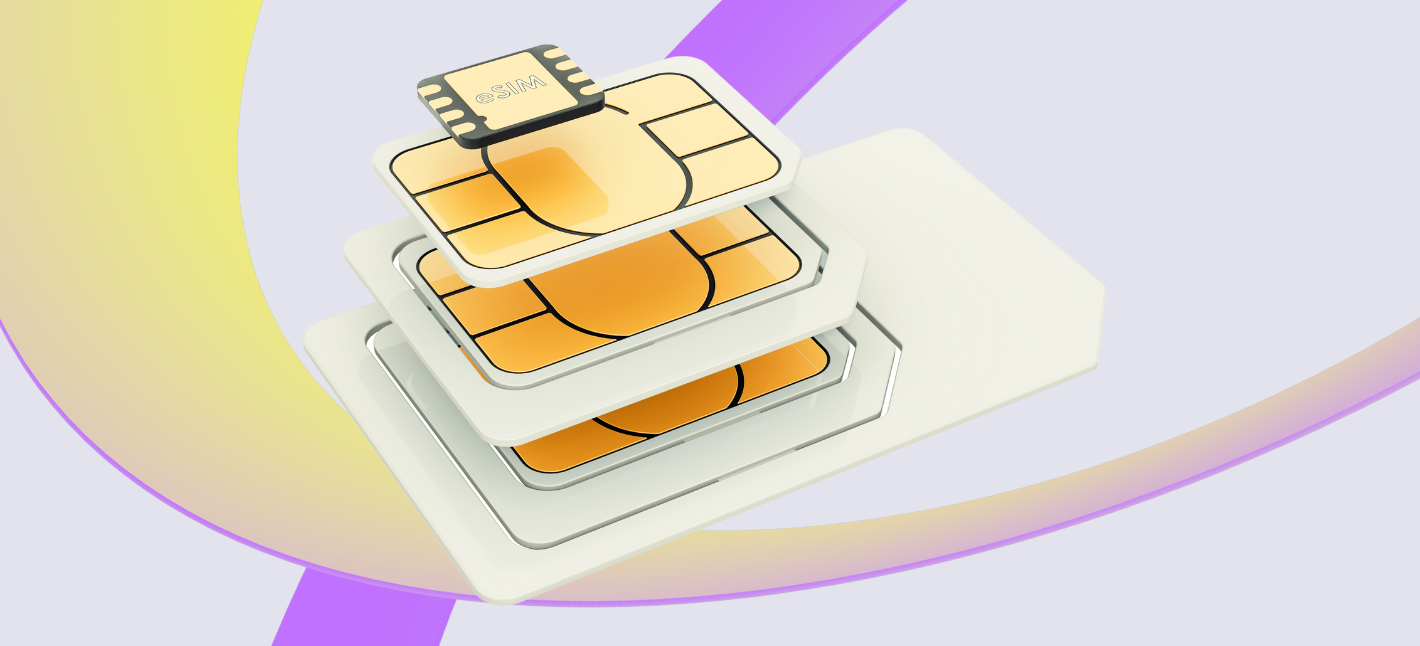
The fast evolution of the Internet of Things (IoT) has led to an elevated focus on connectivity solutions for devices, permitting them to communicate and relay data successfully. As businesses and industries incorporate IoT options to improve efficiency and increase processes, understanding the differences between cellular and non-cellular IoT connectivity becomes important.
Cellular connectivity utilizes current mobile networks to attach devices, permitting for knowledge transmission over extensive geographical areas. This technology is well-established, supported by decades of infrastructure growth, and has the advantage of offering customers sturdy protection and reliable communication. Devices geared up with cellular know-how can tap into the 2G, 3G, 4G, and the rising 5G networks, providing high-speed knowledge switch capabilities.
Non-cellular IoT connectivity supplies alternative communication strategies that don't depend on cell networks. These options can embody Wi-Fi, Bluetooth, Zigbee, LoRaWAN, and different specialized protocols designed for particular use circumstances. This class often targets short-range applications, corresponding to residence automation or localized sensor networks, where broad cellular coverage is in all probability not essential.
Resilient IoT Connectivity Types of IoT Connectivity Explained
The choice between cellular and non-cellular connectivity primarily copyrights on the precise requirements of the application. For example, cellular networks are sometimes preferred for property which are cell, roaming between different geographic areas, or require real-time information communication. This makes cellular connectivity best for functions corresponding to vehicle tracking and smart transportation methods, where gadgets incessantly transition between totally different network zones.
In distinction, non-cellular connectivity tends to be favored in environments where units exist stationary and communication doesn't require in depth coverage. For instance, within a wise constructing, a number of IoT sensors can talk over Wi-Fi or Zigbee, efficiently sending knowledge on energy utilization, occupancy, or environmental circumstances without needing the expansive attain of cellular networks.
IoT Connectivity Products Cellular IoT Revenue Growth in 2023
Another pivotal consideration is value. Cellular connectivity can entail higher costs for knowledge plans, particularly for high-data-use functions. Depending on the volume of information transmitted, organizations should contemplate the long-term prices coherently. Conversely, non-cellular options usually involve lower working expenses since many devices can communicate over private networks without incurring monthly fees.
In terms of energy consumption, non-cellular technologies frequently stand out. Many low-power protocols, such as LoRaWAN, have been specifically designed to attenuate energy usage, extending the battery lifetime of connected units considerably. This is important for functions corresponding to environmental monitoring or agricultural sensors, the place maintenance must be infrequent.
Managed IoT Connectivity Platform Overview and Definition of IoT Connectivity
Security is another essential factor influencing the selection of connectivity kind. Cellular networks benefit from established safety protocols and encryption methods, which might cut back vulnerability to attacks. Non-cellular options, while providing flexibility and decrease prices, can current more varied safety challenges, requiring cautious implementation of encryption and security measures to protect person information and device integrity.
Latency is a critical side impacting performance in IoT purposes. Cellular networks, notably with the advancements seen in 5G, present low-latency communication perfect for real-time functions. This is paramount for sectors similar to telemedicine or autonomous autos, where delays in data transmission can end result in severe penalties. Non-cellular technologies can introduce greater latency, making them much less suitable for duties demanding real-time interaction.

The scalability of IoT methods also displays the differences between the two types of connectivity. Cellular networks already accommodate millions of devices, because they are constructed with a broad person base in mind. This makes them a beautiful possibility for large-scale deployments requiring widespread protection. Non-cellular solutions, particularly these operating on local networks, can face hurdles relating to scalability, especially when quite a few units should be coordinated.
Environmental circumstances and physical barriers can heavily influence the effectiveness of connectivity choices. Cellular indicators can penetrate buildings and transmit over longer distances, making them versatile in various settings. Conversely, non-cellular technologies, while potentially limited in vary, can make the most of mesh networking capabilities, allowing units to relay info via each other, extending the effective communication space - IoT Connectivity Products.
M2M IoT Connectivity M2M Connectivity Solutions in IoT
In sensible phrases, many trendy IoT strategies adopt a hybrid method, using both cellular and non-cellular connectivity depending on particular requirements. Such a technique allows customers to profit from the strengths of both systems whereas mitigating their weaknesses. For example, a sensible city might deploy cellular sensors for visitors administration whereas utilizing Wi-Fi for native environmental monitoring stations.
The future of IoT connectivity rests in improved technologies that can proceed to bridge the gap between cellular and non-cellular choices. Advancements in edge computing could enable devices to course of data domestically, decreasing the necessity for fixed connectivity. Increased collaboration between different types of networks, corresponding to integrating cellular backhaul with native area networking, can lead to progressive solutions for various industries.
Ultimately, deciding between cellular and non-cellular IoT connectivity necessitates a comprehensive evaluation of the specific use case. Factors like coverage, price, energy consumption, latency, and safety should all be weighed to pick an acceptable connectivity resolution.
The evolution of IoT signifies an exciting future, where the integration of cellular and non-cellular technologies can create a extra connected world. As industries continue to innovate whereas integrating IoT methods, the flexibility and flexibility provided by a mixture of these connectivity choices will pave the best way for more environment friendly and responsive solutions.
Managed IoT Connectivity Market for IoT Connectivity Management Platforms
Through understanding the distinctions between cellular and non-cellular IoT connectivity, stakeholders can strategically deploy solutions that meet their specific wants, markedly bettering the efficacy of IoT purposes in real-world contexts.
- Cellular IoT connectivity makes use of established cell networks for seamless data transmission, offering widespread coverage and reliability.
- Non-cellular IoT, such as LoRaWAN or Sigfox, usually operates on low-power radio frequencies, making it best for rural or hard-to-reach areas where cellular companies could be restricted.
- Cellular networks help excessive bandwidth functions, enabling real-time data switch, which is crucial for sectors like telemedicine or autonomous autos.
- Non-cellular solutions typically devour less power, allowing gadgets to have longer battery life, which is advantageous in environments the place frequent maintenance is impractical.
- Cellular IoT units might require a subscription-based knowledge plan, resulting in greater ongoing costs in comparability with non-cellular methods that can be less expensive to operate.
- Non-cellular IoT technologies typically present greater scalability for large-scale deployments, as they'll connect thousands of devices without overwhelming a single network node.
- Cellular connections tend to offer extra sturdy safety protocols, critical in industries requiring stringent data protection measures, similar to finance or healthcare.
- The latency in non-cellular networks may be greater, making them much less appropriate for purposes where timely data processing is crucial, such as industrial automation.
- Geographic availability can restrict non-cellular IoT deployment in urban areas, whereas cellular infrastructure is often extra developed and accessible.
- Non-cellular choices may introduce complexities in device integration and management, while cellular technologies profit from a more homogenized ecosystem supported by main telecom providers.undefinedWhat is the primary difference between cellular and non-cellular IoT connectivity?
Cellular IoT connectivity makes use of cell networks (like 4G and 5G) for communication, whereas non-cellular options depend on various methods corresponding to Wi-Fi, LoRaWAN, or satellite. The selection impacts protection, energy consumption, and knowledge transmission capabilities.
IoT Connectivity Issues Growth of Connected IoT Devices
How does protection differ between cellular and non-cellular IoT options?
Cellular IoT has extensive coverage, notably in urban areas, benefiting from established cellular networks. Non-cellular choices could have limited range relying on the technology; for example, Wi-Fi protection is confined to the range of a router, whereas satellite tv for pc can provide global attain.
What are the why not try these out prices related to cellular versus non-cellular IoT connectivity?
IoT Connectivity Security Platform for IoT Connectivity Management
Cellular IoT usually incurs monthly information fees tied to a mobile plan. Non-cellular options might have decrease ongoing prices however may require extra vital upfront investments in hardware or infrastructure, affecting the general budget depending on the applying.
Which choice provides better power efficiency for IoT devices?
Non-cellular IoT connections, corresponding to LoRaWAN, are usually more power-efficient, allowing devices to function for prolonged official site periods on battery (IoT Connectivity Issues). Cellular IoT could consume more power, particularly during high knowledge transmissions, however newer technologies like NB-IoT goal to improve effectivity.
What types of functions are finest fitted to each connectivity type?
IoT Connectivity Platform Quick Guide to IoT Connectivity
Cellular IoT is right for purposes requiring mobility or intensive geographic protection, like fleet monitoring. Non-cellular options excel in scenarios where low knowledge transmission and low power consumption are priorities, such as smart agriculture or distant sensors.
How secure are cellular and non-cellular IoT connections?
Cellular networks usually have built-in security measures, together with encryption and authentication, benefiting from regulatory oversight. Non-cellular connections can differ in safety based on the precise expertise used, necessitating cautious consideration for critical purposes.
Connectivity Management Platform IoT Explanations and Solutions for IoT Connectivity
What are the latency variations between cellular and non-cellular IoT connectivity?
Cellular IoT usually offers decrease latency, making it appropriate for real-time purposes. Non-cellular options might expertise larger latency, especially in networks that rely on longer-distance transmissions or much less optimized protocols.
Can I change from cellular to non-cellular connections in an existing IoT application?
IoT Connectivity Types Managed Platform for IoT Connectivity
Switching is feasible however requires cautious evaluation of the application's wants. Strategies must be developed to address differences in coverage, power, information charges, and general architecture to ensure the IoT answer remains effective - IoT Connectivity.
What components should I think about when selecting between cellular and non-cellular IoT connectivity?
Consider protection area, data requirements, energy constraints, gadget mobility, safety wants, and finances. Each software's distinctive requirements will help determine probably the most appropriate connectivity resolution for optimal efficiency.